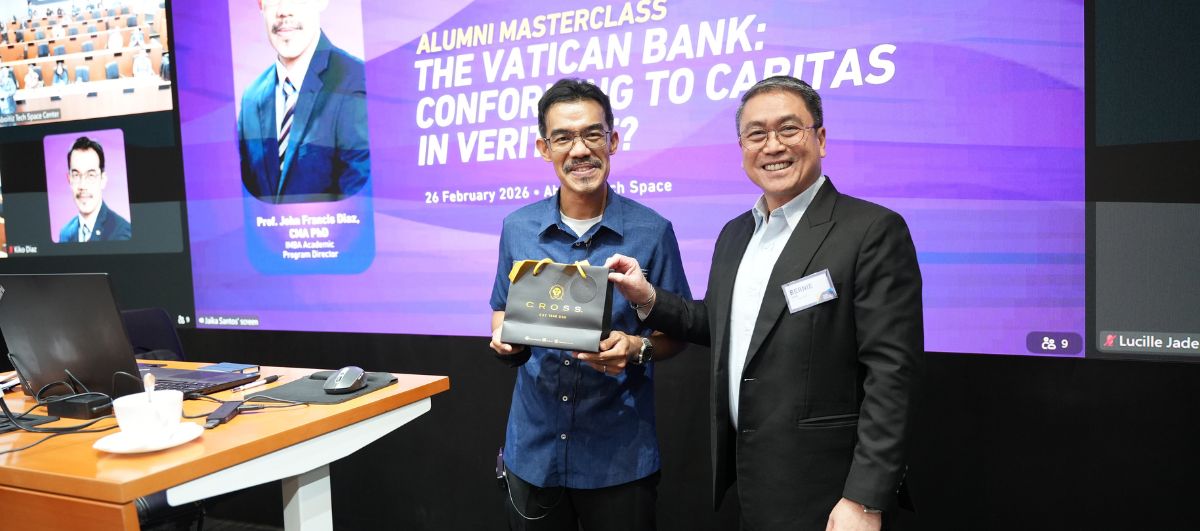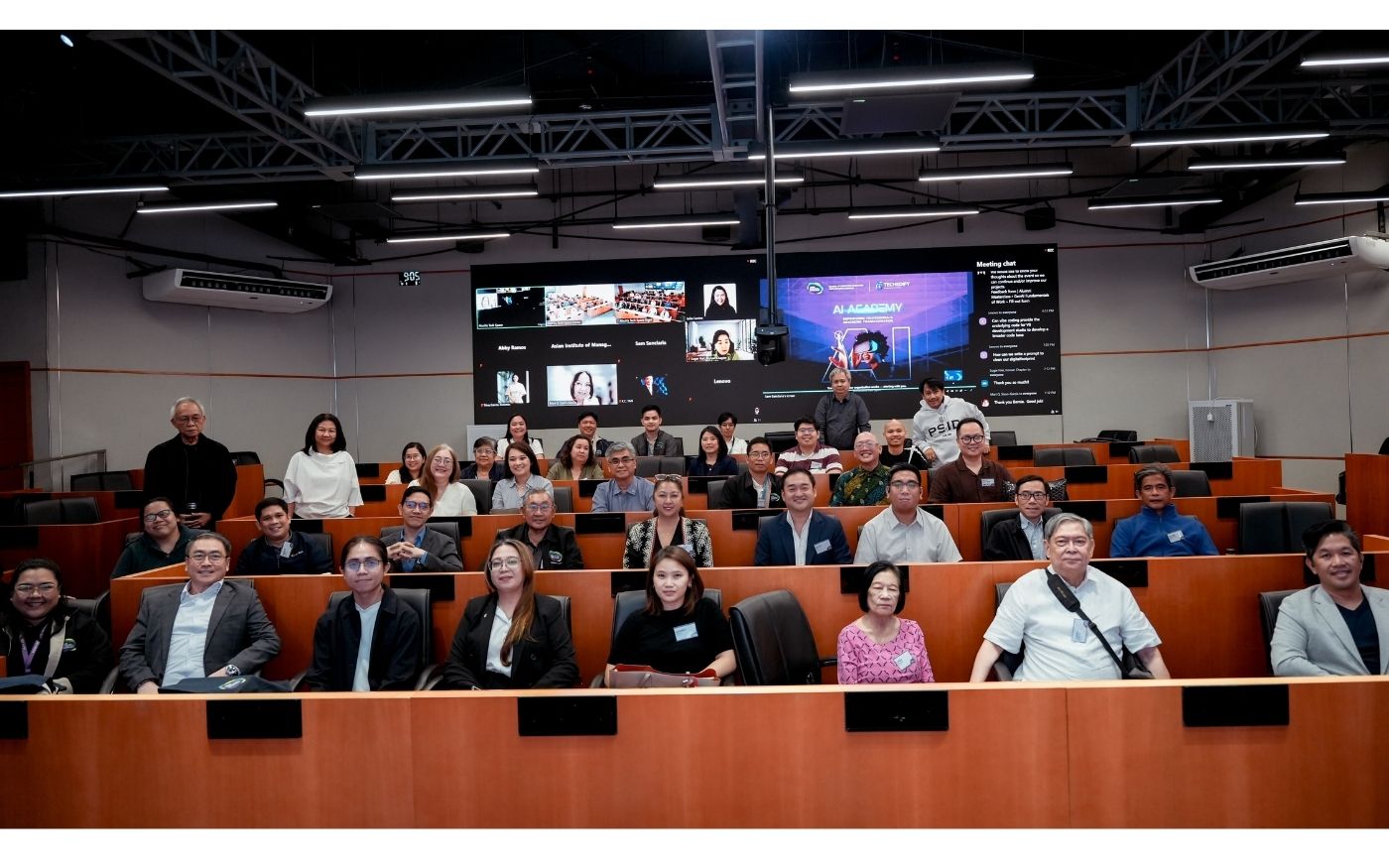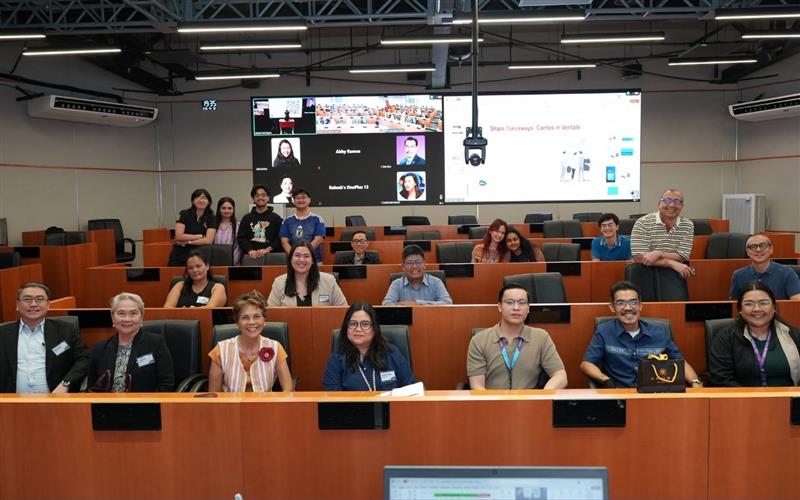
On February 26, the Asian Institute of Management (AIM) Alumni Relations Office (ARO) welcomed alumni and guests to an engaging Alumni Masterclass titled “The Vatican Bank: Conforming to Caritas in Veritate?”, led by Prof. John Francis “Kiko” Diaz, CPA, PhD, Academic Program Director of the International Master in Business Administration (iMBA) program. This is the first in a series of events hosted by ARO for Homecoming Week 2026.
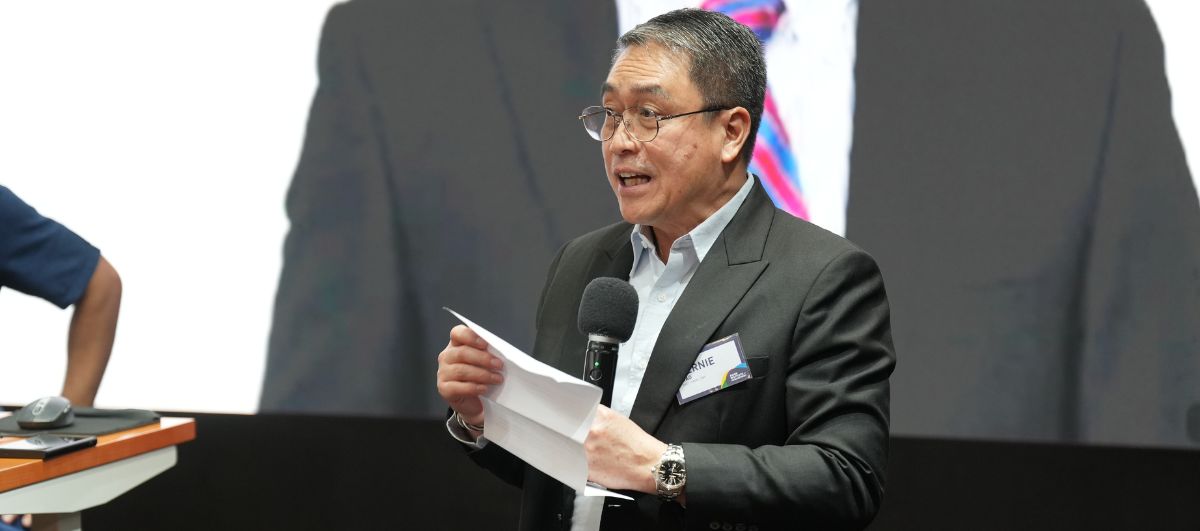
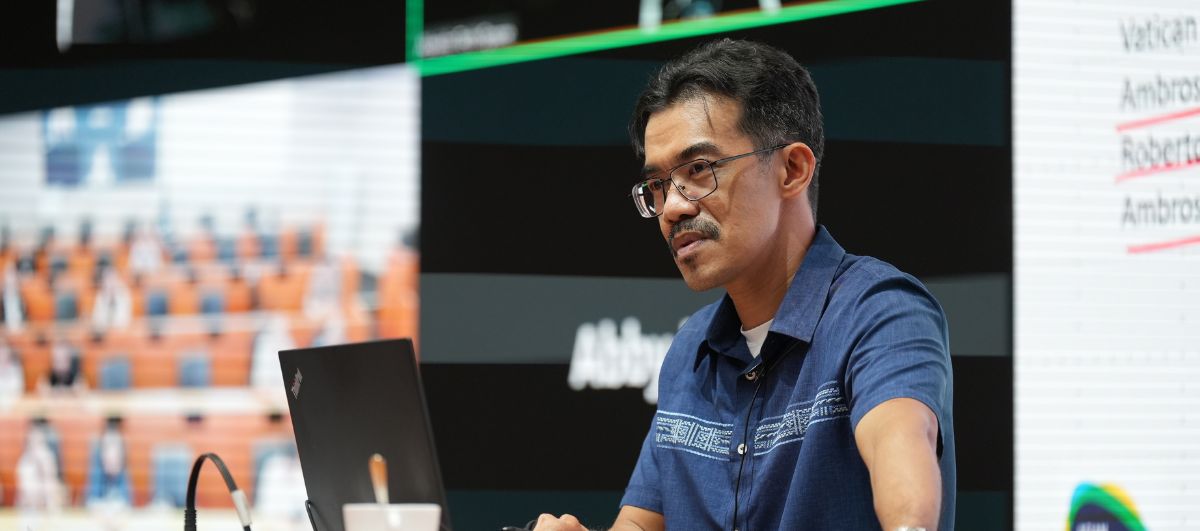
Held at the Aboitiz Tech Space, the session offered alumni the opportunity to experience AIM’s participant-centered case method once again. Through an interactive case discussion, Prof. Kiko guided attendees in examining the complex ethical and governance challenges surrounding the Institute for the Works of Religion (IOR), also known as the Vatican Bank.
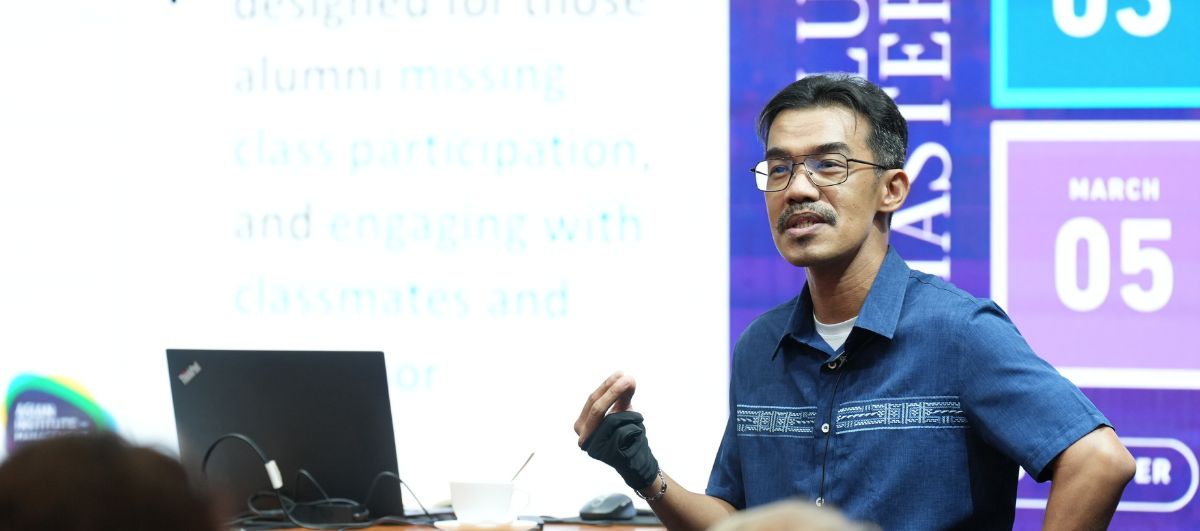
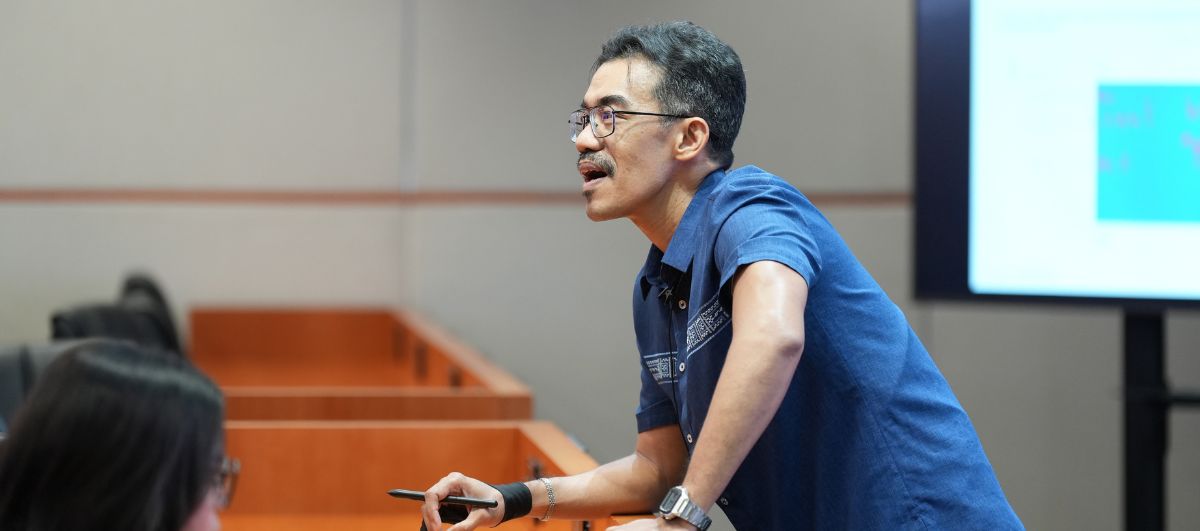
The case explored the intersection of financial governance, institutional accountability, and moral leadership, asking a central question: Can the Vatican Bank truly uphold the ethical principles of Caritas in Veritate—“charity in truth”—while operating as a sovereign financial institution? Participants analyzed the bank’s organizational structure, historical controversies, and reforms implemented in response to past financial scandals, including transparency, regulatory oversight, and money-laundering allegations.
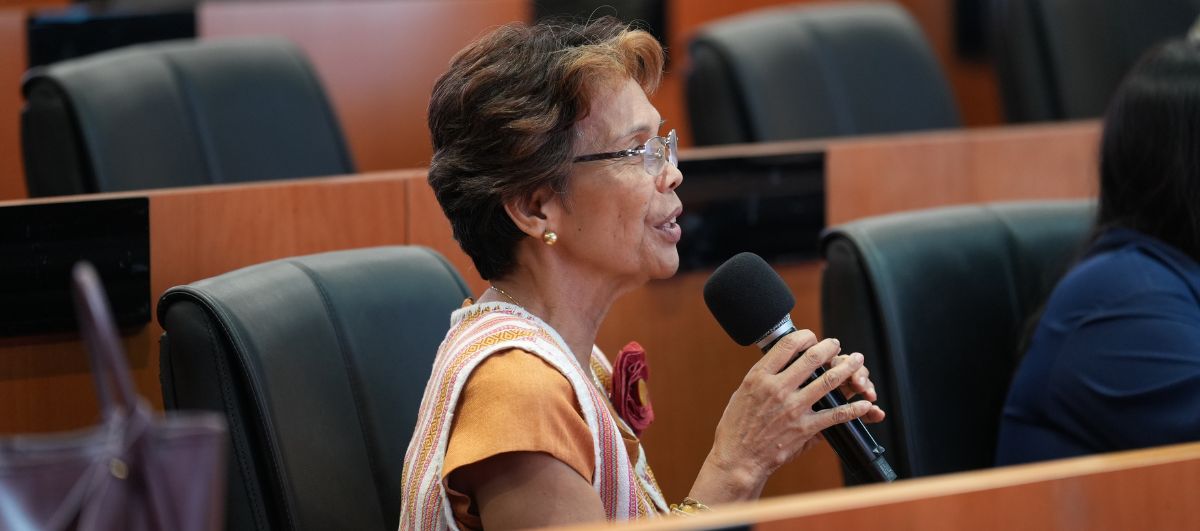
The discussion about the Vatican Bank’s unique governance structure was very lively. Present in the masterclass was former Philippine Ambassador to the Holy See (Vatican), Grace Relucio-Princesa (EDD-DFA-HOP 2012), who shared a first-person account of her knowledge about the reforms instituted by Pope Francis.
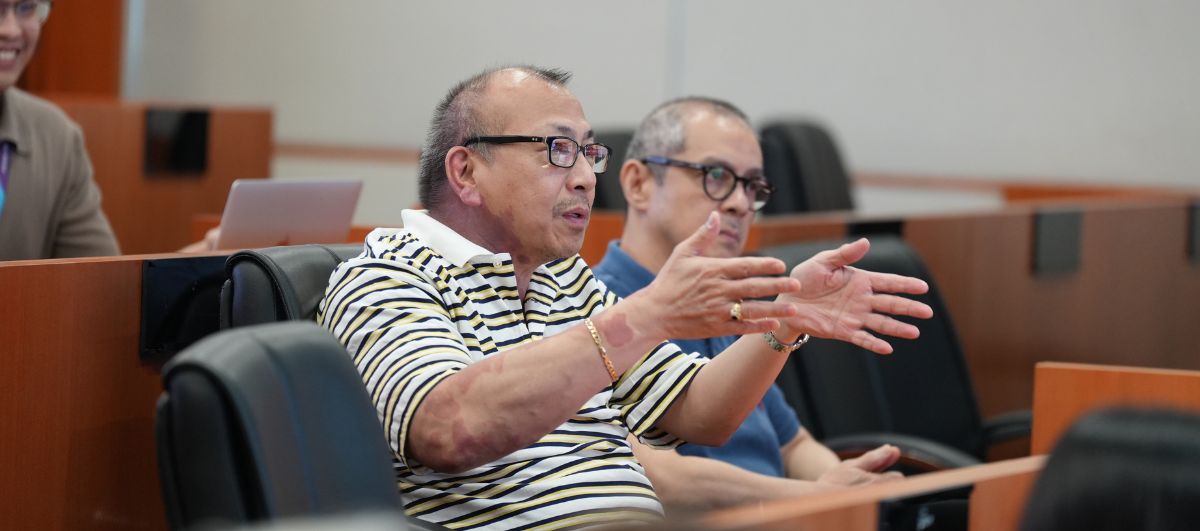
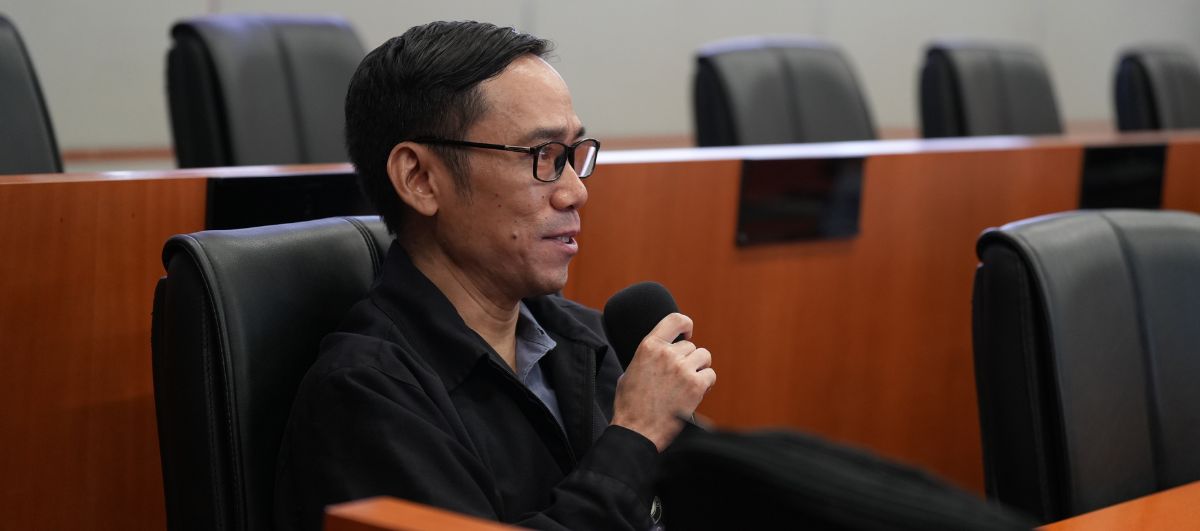
Participants noted how the absence of conventional regulatory oversight historically contributed to opacity in financial operations. The conversation also examined reforms introduced in recent years, including strengthened oversight mechanisms and the establishment of financial supervisory bodies intended to improve transparency and accountability.
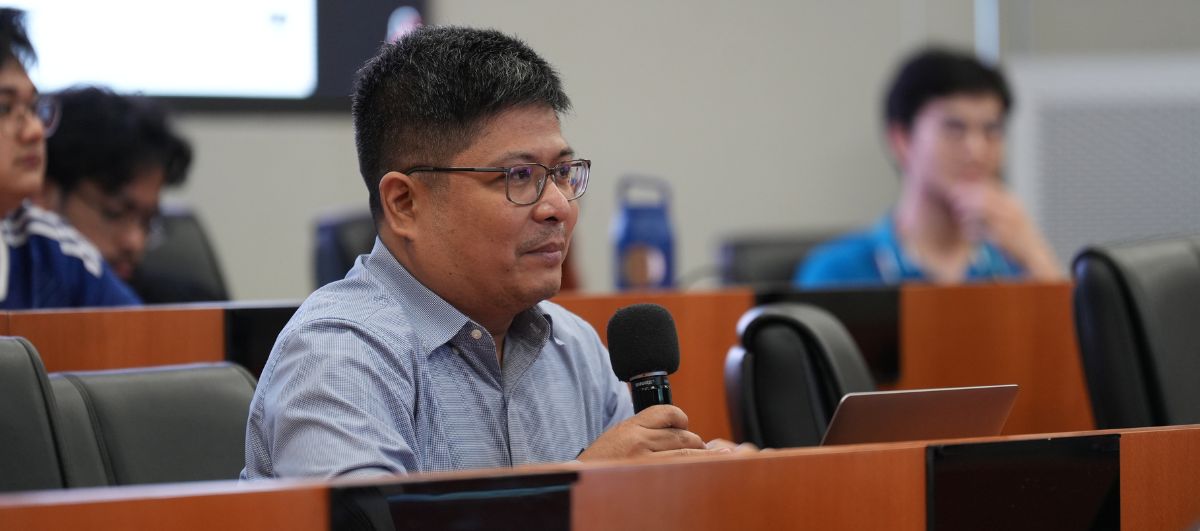
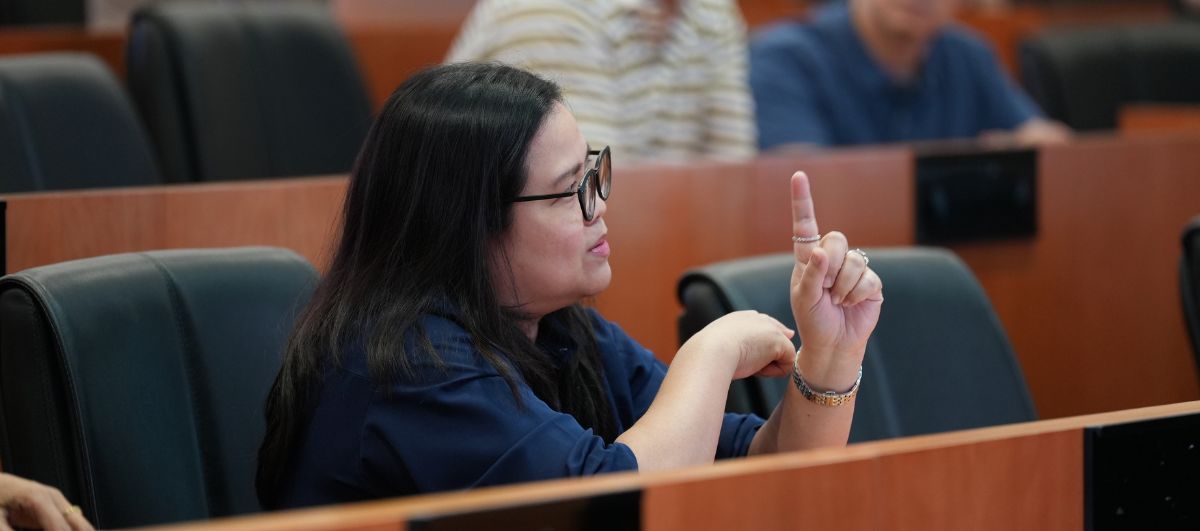
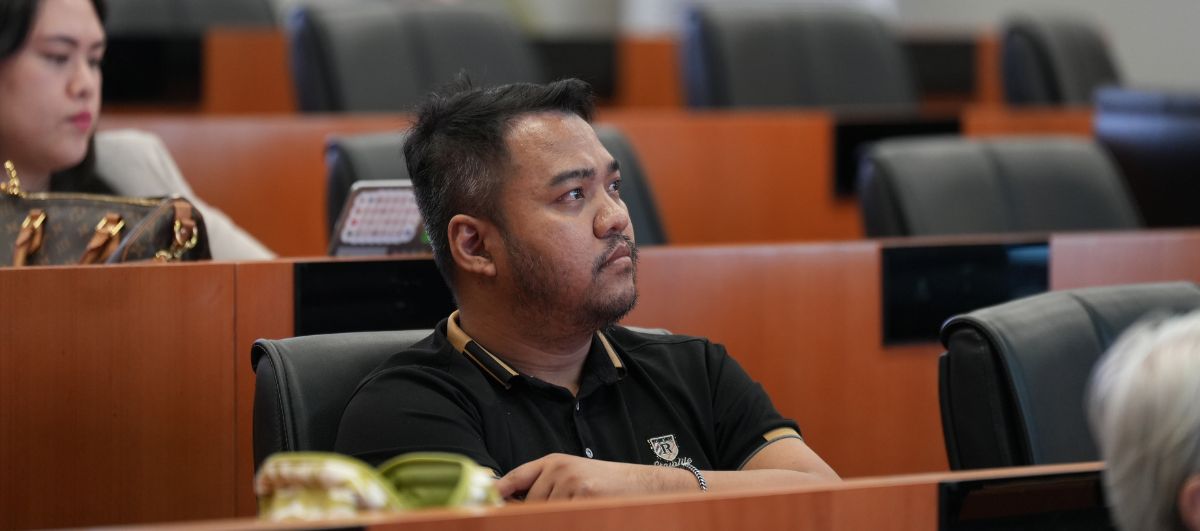
Drawing on principles from Pope Benedict XVI’s encyclical Caritas in Veritate, Prof. Kiko highlighted the importance of ethical leadership, institutional responsibility, and the role of individual moral integrity in shaping organizational behavior. Alumni and guests debated whether stronger regulations alone are sufficient to prevent misconduct, or whether long-term solutions lie in cultivating ethical decision-making and integrity within institutions and individuals alike.
By the end of the session, participants gained fresh insights into the enduring challenges of balancing financial performance, institutional transparency, and ethical responsibility.
We would like to thank Prof. Kiko for his support and for allotting time to hold a masterclass for our alumni! We also express our gratitude to our alumni, students, and guests for joining us in this masterclass.