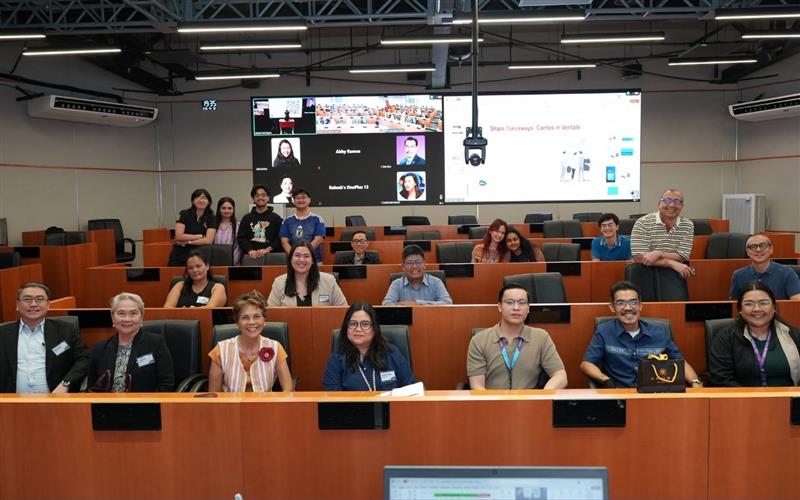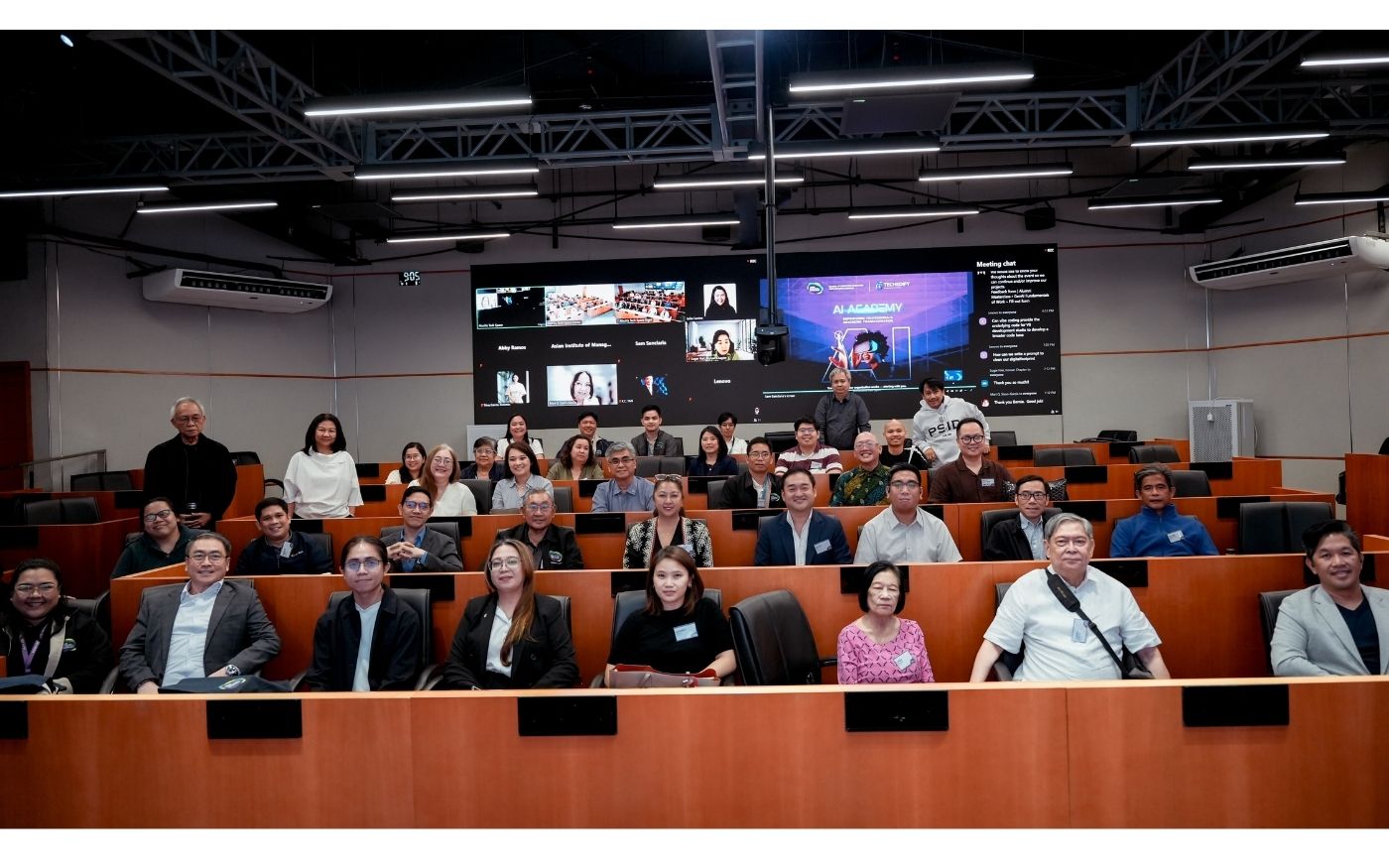
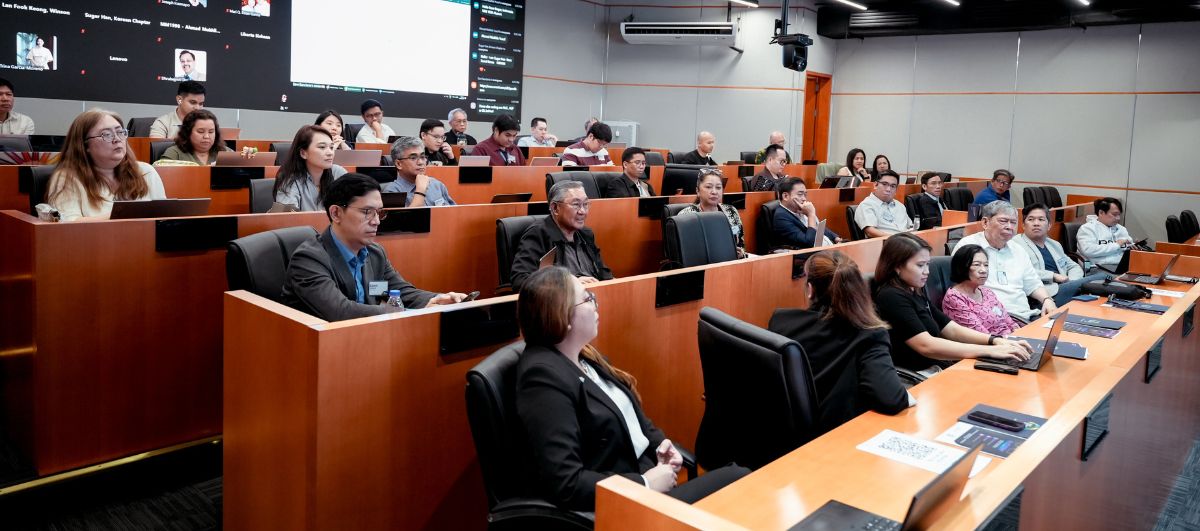
The Asian Institute of Management (AIM) Alumni Relations Office successfully hosted another engaging session in its Alumni Masterclass series on March 3, 2026, featuring “GenAI Fundamentals for Work.” The session was led by Sharlyn Sanclaria and Sammuel Sanclaria of Techedify, with the help of support from the School of Executive Education and Lifelong Learning (SEELL).
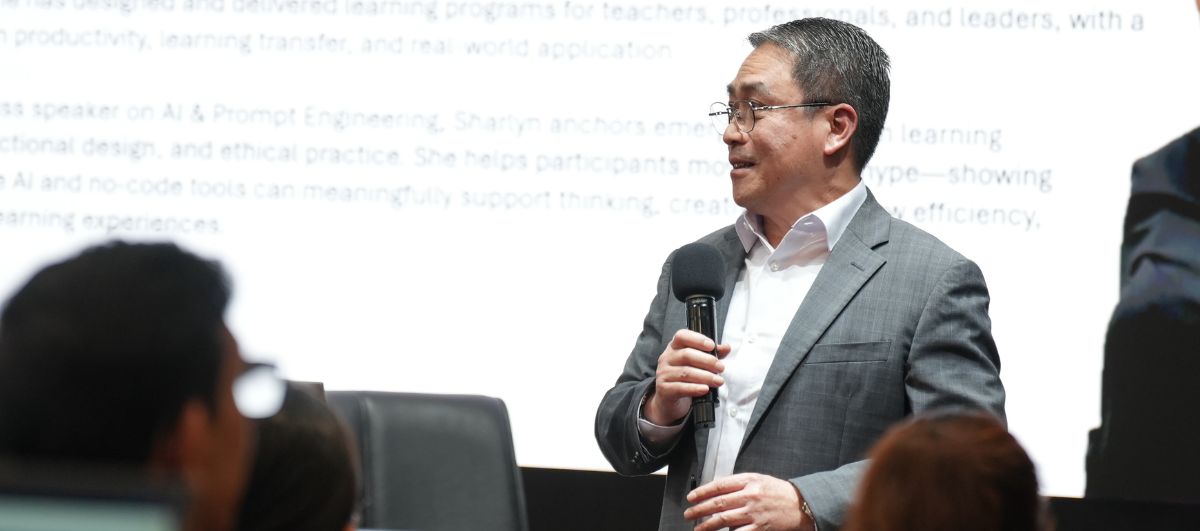
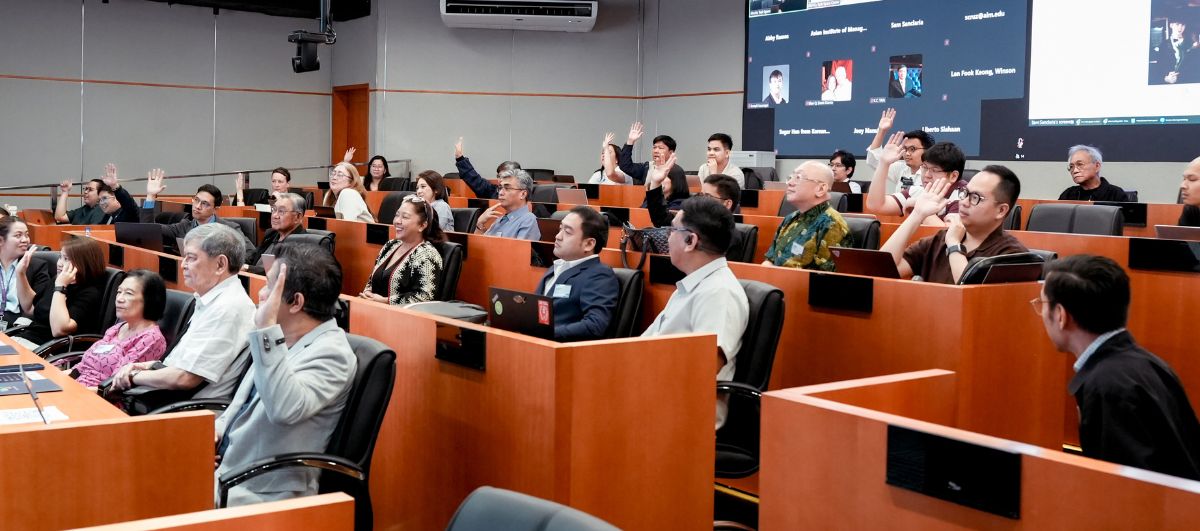
Bringing together alumni and students, the masterclass explored how generative artificial intelligence (GenAI) can be used effectively in professional settings like helping leaders and teams work smarter while maintaining sound judgment and accountability.
The session opened by grounding participants in a clear and practical understanding of what generative AI is and how it works. Rather than focusing on hype or complex technical jargon, Sharlyn emphasized a simple but important concept: GenAI functions as a predictive system trained on patterns in language and data. Understanding this allows professionals to better appreciate both its capabilities and its limitations. It was also emphasized that AI should be treated not as a final decision-maker but as a tool that supports human insight and creativity.
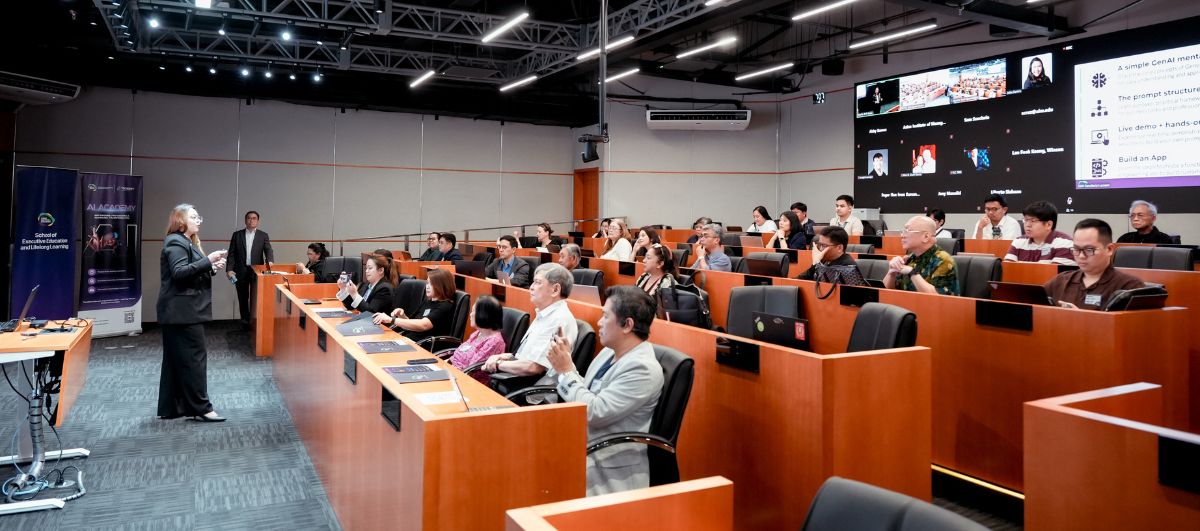
The masterclass highlighted several common workplace applications of GenAI, including drafting emails and reports, brainstorming ideas, summarizing information, and organizing data. Many participants shared that these are already part of their everyday workflows, making the discussion particularly relevant for professionals seeking to maximize the technology’s value.
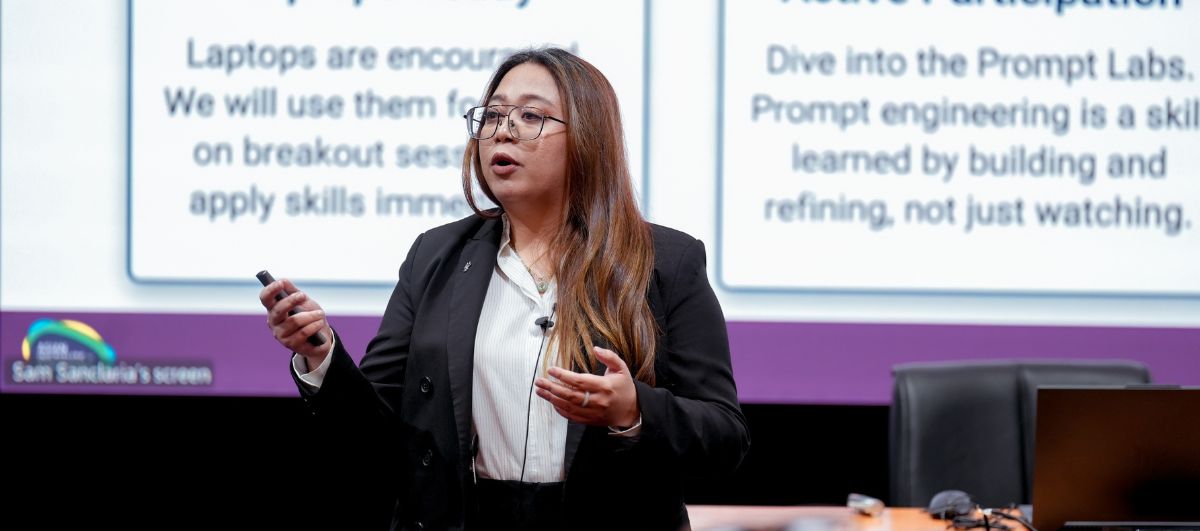
A central focus of the session was on effective prompt design, often referred to as prompt engineering. According to Sharlyn, the quality of AI-generated output largely depends on the clarity and structure of the instructions given to the tool. Poorly structured prompts often result in generic or unfocused responses.
To address this, the speaker introduced a practical prompting framework that participants could immediately apply in their own work. The framework encourages users to clearly define the role the AI should assume, provide sufficient context, establish constraints, and specify the desired format and tone of the output. This structured approach helps ensure that AI-generated responses are more accurate, relevant, and aligned with professional needs.
Participants were also reminded of several common mistakes when using AI tools, such as providing vague instructions, failing to set clear output expectations, or treating AI-generated responses as final outputs without reviewing them.
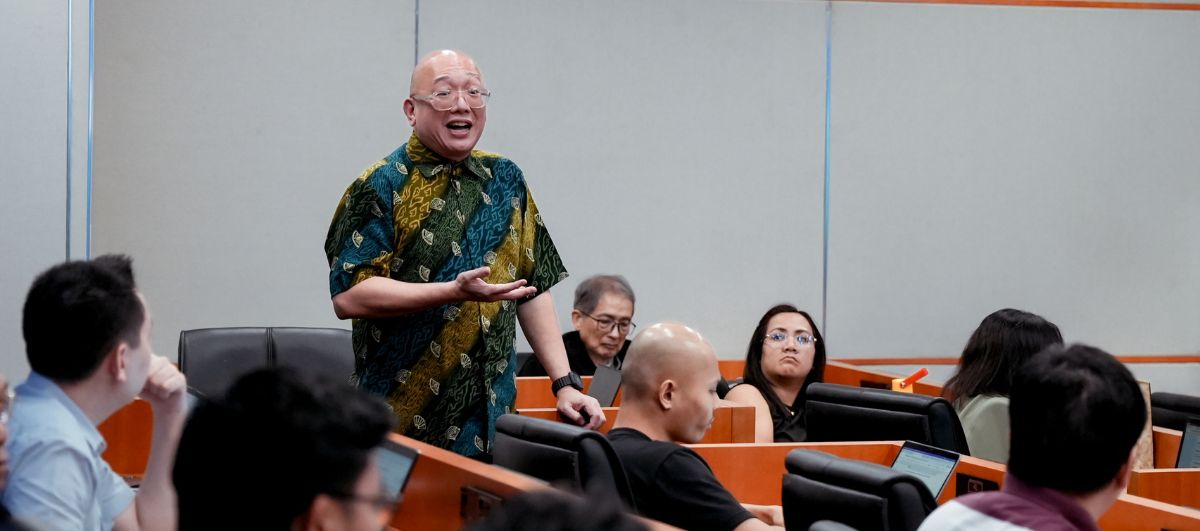
In the second part of the masterclass, Sammuel’s part focused on the responsible use of AI in the workplace, particularly when handling sensitive or confidential information. Sammuel advised participants to exercise caution when sharing data with AI platforms and to follow organizational guidelines to ensure responsible use.
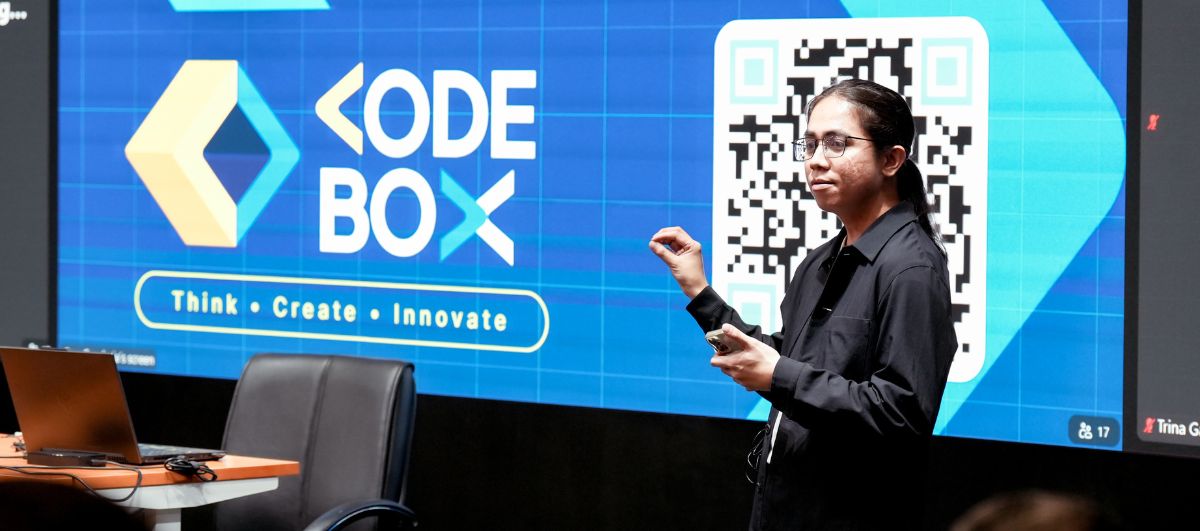
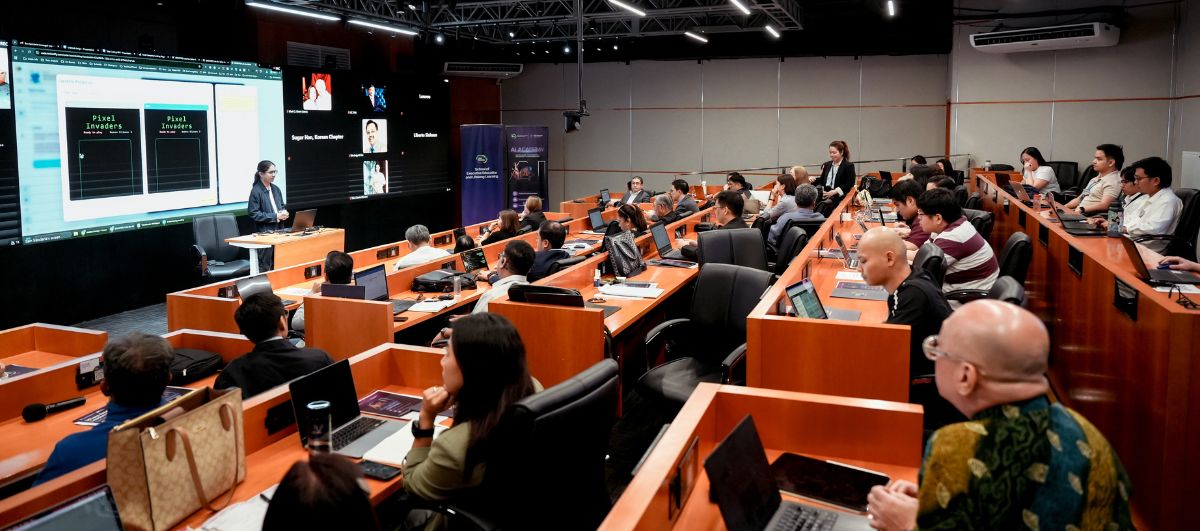
To reinforce the concepts discussed, the session incorporated interactive exercises and live demonstrations, allowing participants to practice improving real prompts using the framework presented. This hands-on approach enabled attendees to see firsthand how small adjustments in instructions could significantly improve the quality of AI outputs. Techedify provided the participants with access to Code Box, the program they company uses for their its own AI projects.
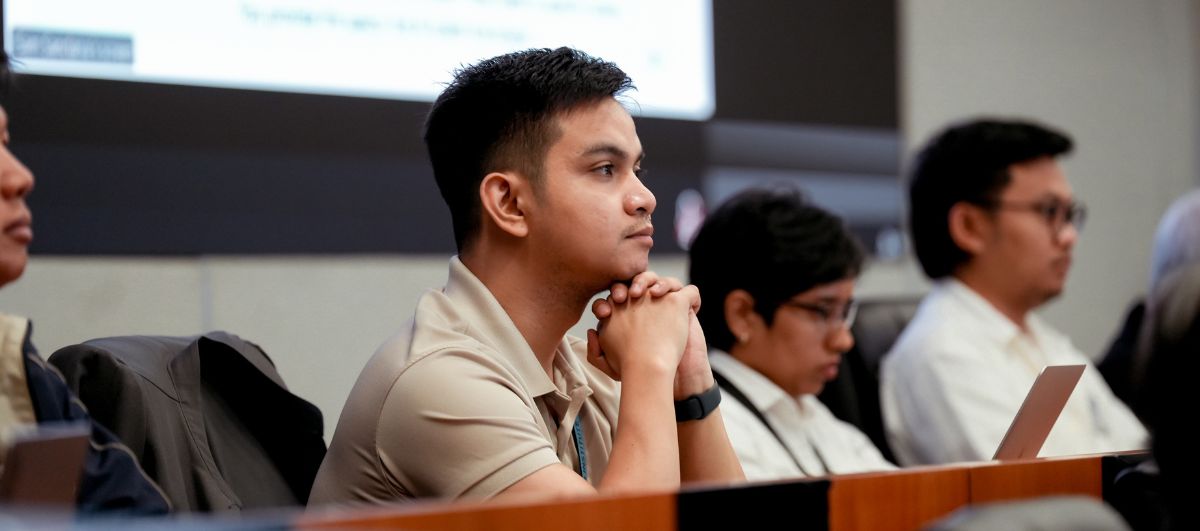
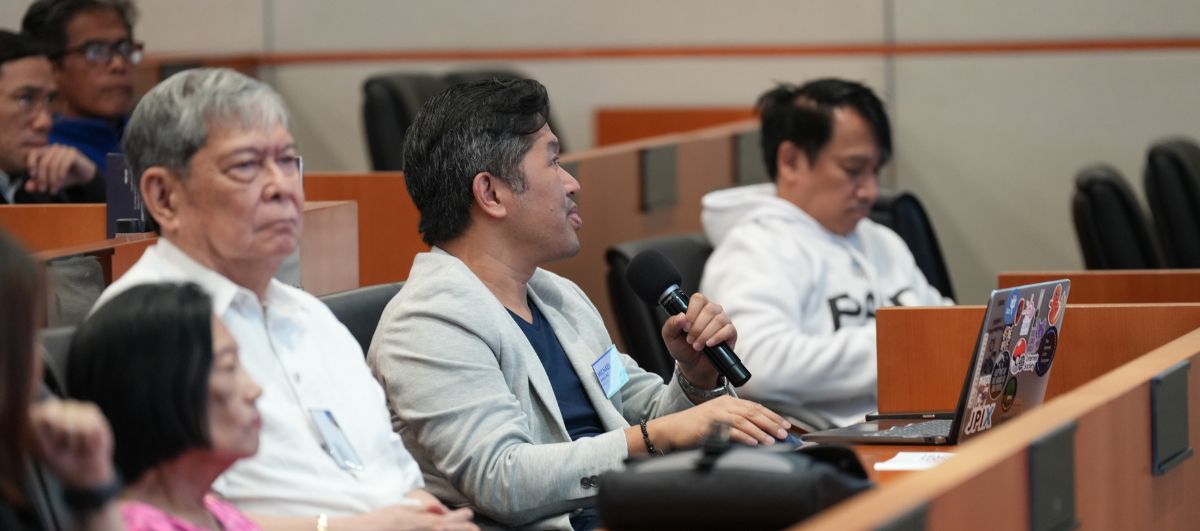
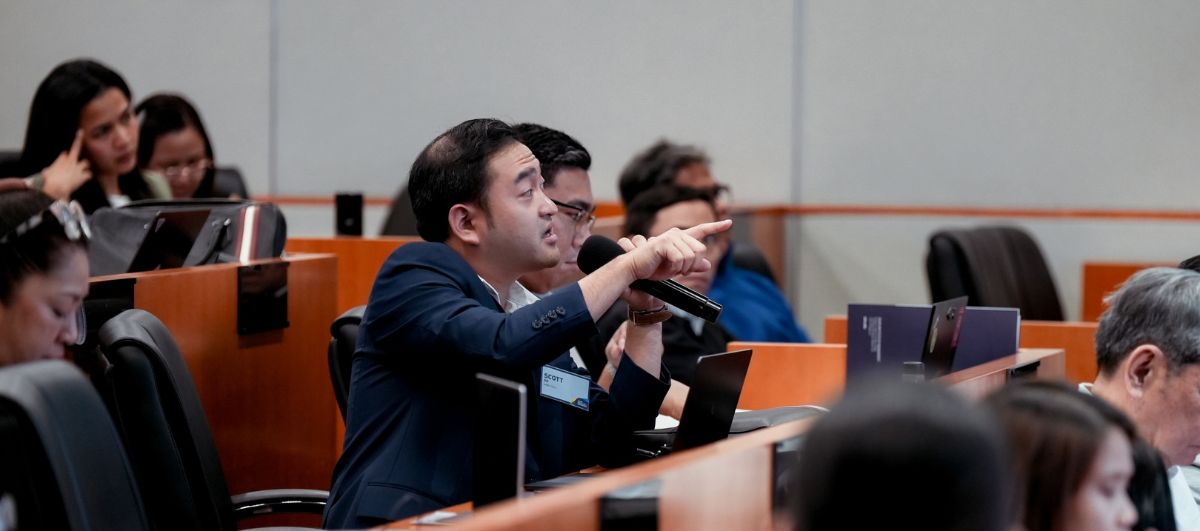
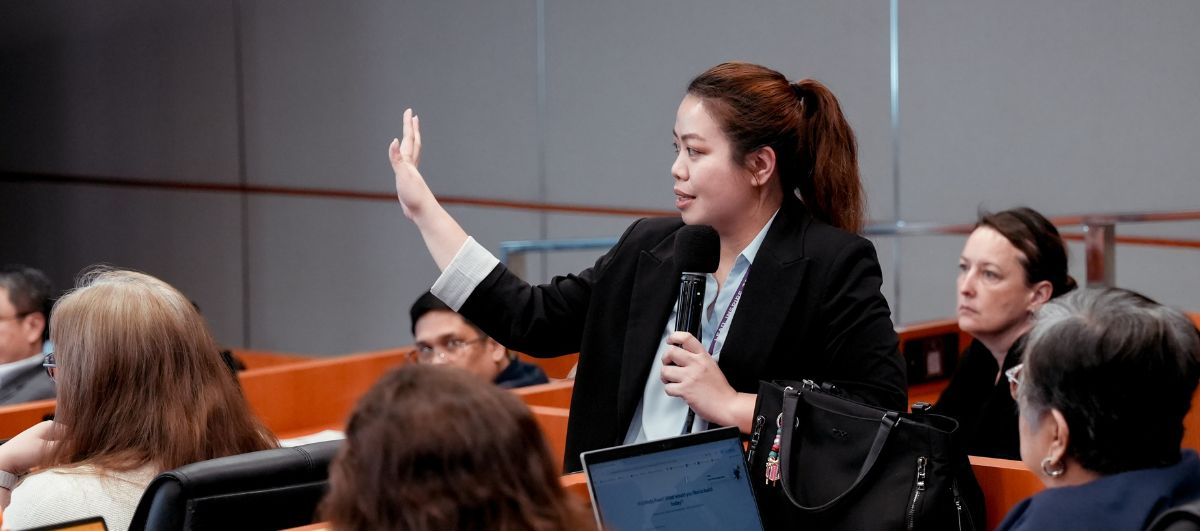
The masterclass concluded with a lively exchange of insights among participants, reflecting the AIM community’s strong interest in understanding and leveraging emerging technologies. As AI continues to reshape how organizations operate, sessions like these provide AIM alumni with valuable tools to stay adaptive and forward-thinking in their respective fields.
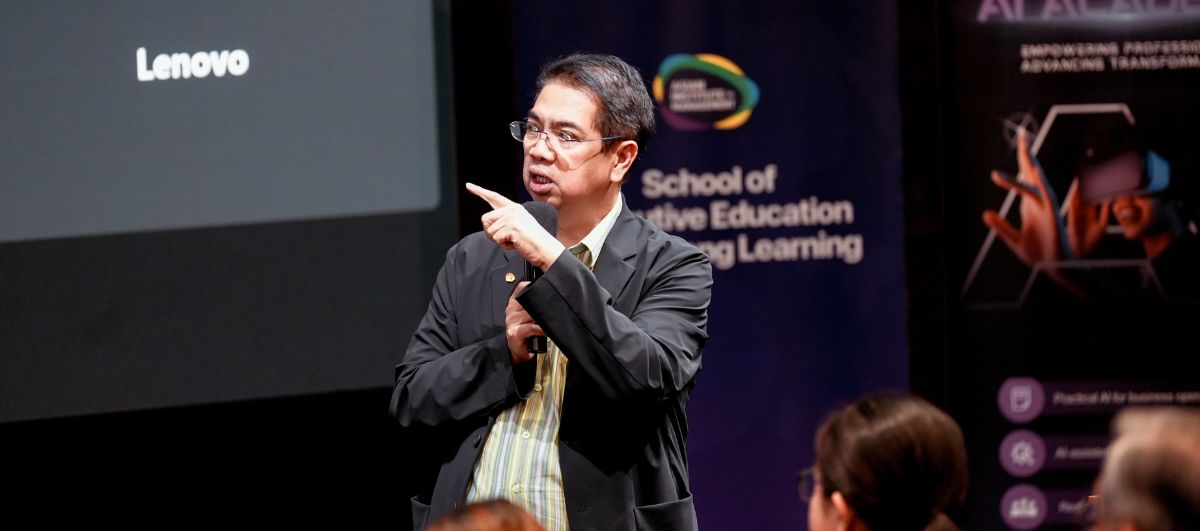
Through initiatives such as the Alumni Masterclass series, the Alumni Relations Office continues to foster lifelong learning and meaningful engagement within its global alumni network. We thank our speakers and all the attendees for joining us for this masterclass!
words by Janelle Erika Santos, ARO